




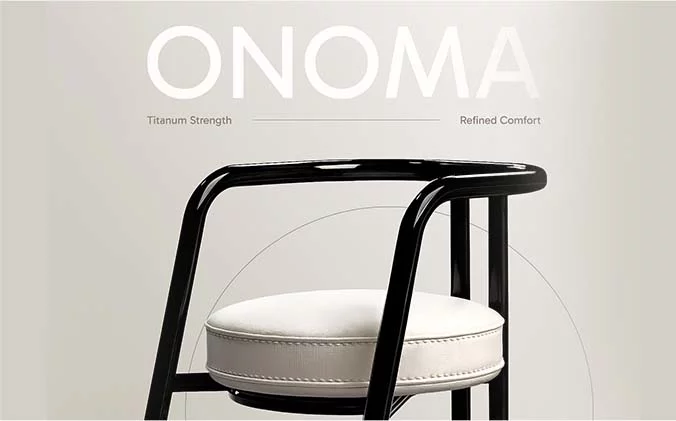
The term “posh” is a ubiquitous part of modern popular culture, often used to describe people, places, or things that are considered luxurious, upscale, or sophisticated. However, despite its widespread usage, many individuals may not fully comprehend the concept of “posh” and how it functions within various social contexts. This article aims to provide an in-depth exploration of the term, examining its origins, evolution, and applications.
The Origins of Posh
To understand the concept of “posh,” we must first delve into its etymology. The term originated in the 19th century, derived from the Romany word “pouch,” casino Posh meaning a pouch or bag. Initially, the term referred to thieves who targeted wealthy individuals by stealing their valuables while they were at leisure. Over time, however, the connotation of the term shifted, taking on more positive associations with luxury and refinement.
The Evolution of Posh
As the concept of “posh” continued to evolve, it became increasingly associated with upper-class culture and the aristocracy. In British English, “posh” often describes something as being superior or exceptional in quality, particularly when related to food, drink, or other indulgences. This is exemplified by phrases such as “high tea,” which refers to a traditional afternoon meal of sandwiches, scones, and pastries served with a pot of strong tea.
Types and Variations
The concept of “posh” has undergone various transformations over the years, influencing its application across different cultural contexts. For instance:
- In British culture, “posh” often implies exclusivity or pretentiousness, as seen in phrases like “posh accents” or “upper-class mannerisms.”
- In American English, the term is sometimes used interchangeably with “rich,” describing an affluent lifestyle or social status.
- In some countries, such as Australia and New Zealand, “posh” has a more nuanced connotation, suggesting something refined but not necessarily luxurious.
Legal and Regional Contexts
While the concept of “posh” remains largely subjective, it is occasionally tied to specific laws or regulations. For example:
- Trademark disputes have arisen in regards to the use of words like “Posh Spice,” a nickname for British pop star Victoria Beckham.
- Certain countries may restrict the labeling of products as “luxury” goods if they are deemed not to meet minimum standards.
Free Play, Demo Modes, or Non-Monetary Options
The concept of “posh” is sometimes applied to virtual environments, where digital experiences can mimic high-end lifestyles. Players in games like The Sims and Minecraft may engage in activities that simulate the enjoyment of luxury items without actual financial expenditure.
Real Money vs Free Play Differences
While playing with real money can amplify the stakes for individuals participating in “posh” experiences online, such as casinos or lotteries, free play options often provide an introduction to these platforms. Some websites even offer a range of services catering specifically to players interested in exploring digital luxury at no cost.
Advantages and Limitations
The concept of “posh” offers various benefits for users within virtual environments:
- Immersive experiences can create a sense of escapism or relaxation.
- Digital products may cater to diverse preferences, offering an unparalleled level of customization.
- Some platforms allow users to connect with others sharing similar interests.
However, the following limitations must be considered:
- Users risk over-spending in online games if they become overly engaged with luxury items.
- In-game purchases often lack real-world value and tangible utility.
- Players may struggle with FOMO or competition-driven behavior.
Common Misconceptions or Myths
Some of the more pervasive misunderstandings regarding “posh” include:
- Confusing it solely with material wealth, overlooking its broader cultural significance.
- Assuming that luxury items are inherently superior to more modest alternatives.
- Overlooking regional variations in connotation and application.
User Experience and Accessibility
When engaging with online platforms that cater to the concept of “posh,” users should be aware of their surroundings:
- Safety measures such as responsible gaming practices, anti-addiction tools, or content ratings can help mitigate risks associated with certain activities.
- Websites often include customizable options for personalization and preferences.
However, user experience can also depend on a range of factors including: internet speeds, hardware capabilities, cognitive abilities, learning curve complexities, or support availability. Moreover, users should be conscious about how these interactions may shape perceptions and expectations surrounding luxury in everyday life.
Risks and Responsible Considerations
While embracing the concept of “posh” within virtual environments can offer enjoyment and a temporary release from real-world concerns, potential drawbacks exist:
- Overexposure to high-end settings might reinforce unrealistic standards or pressures.
- The relationship between digital representation and actual well-being is complex and multifaceted.
Analytical Summary
The term “posh” has undergone significant transformations since its inception in the 19th century. Initially linked to thieves who targeted affluent individuals, it eventually became associated with luxury, refinement, and exclusivity within upper-class culture. As language evolves across different regions and communities, new connotations arise.
Moreover, digital experiences have enabled users to engage with virtual environments offering glimpses into high-end lifestyles or providing means for people from various backgrounds to interact around shared interests.